

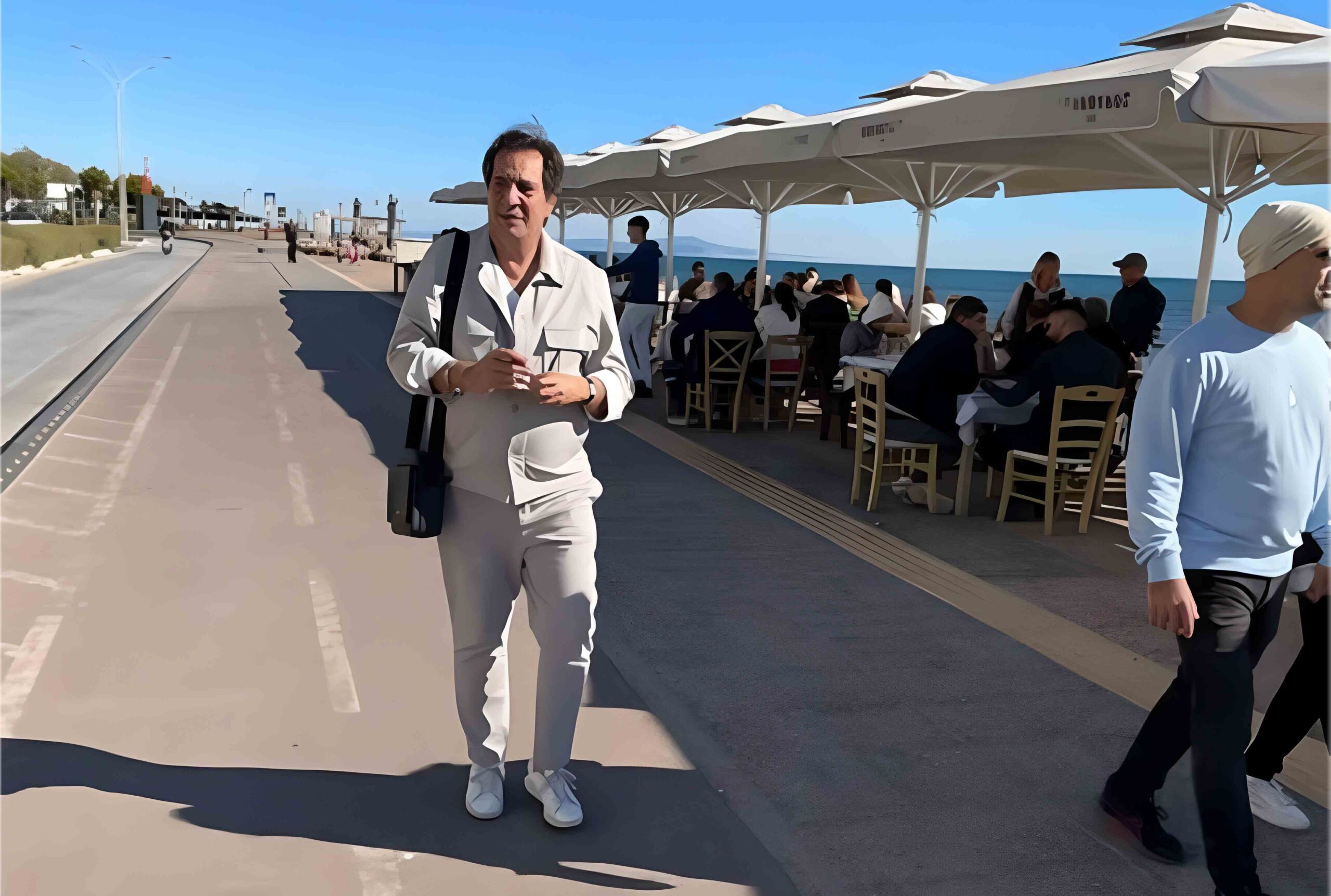
Between June 21–22, 2026, I visited Alexandroupoli and Kavala together with Dr. Yüksel Türemez, a member of the TÜRSAB Supervisory Board. We exchanged and discussed our views on Turkish and Greek tourism. It was a meaningful and rewarding experience, and I am grateful to him.
If you want to drive from Turkey to Greece, there are two border crossings available: the most popular one is the İpsala Border Gate via Tekirdağ, and the other is the Pazarkule Border Gate via Edirne. On the Turkish side at İpsala, everything was well-maintained, clean, and organized. Our crossing was smooth and quick. However, I cannot say the same for the Greek customs side the buildings were old and run-down. In my view, Turkey’s İpsala Customs passed the test with flying colors.
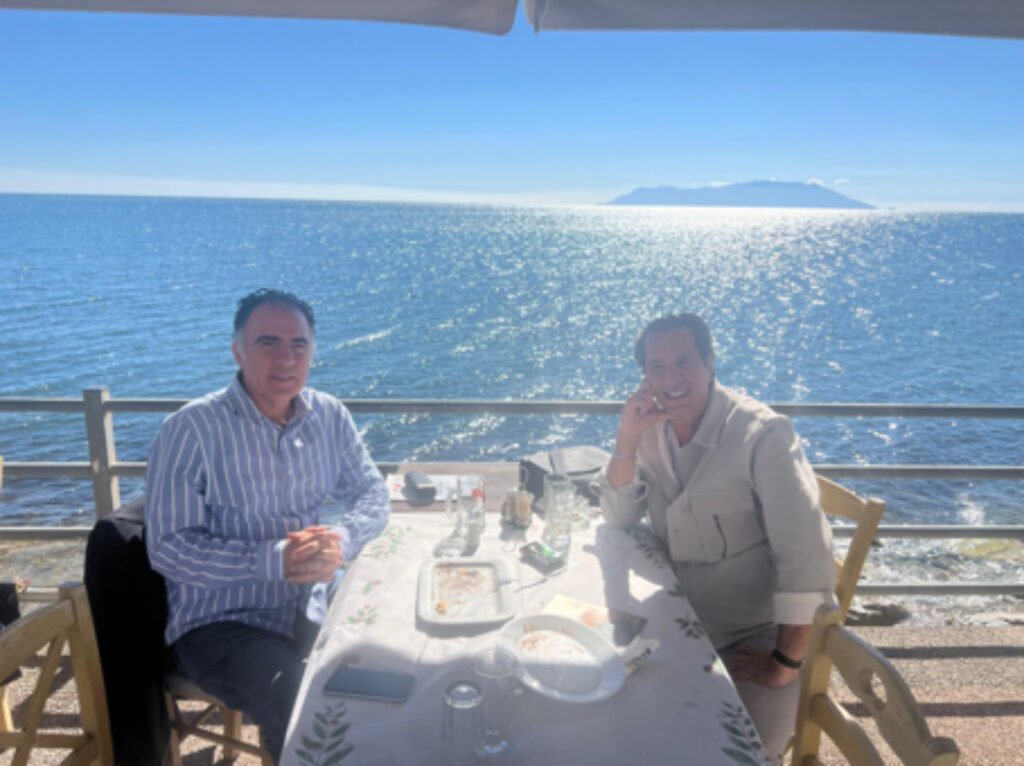
Alexandroupoli is the largest city in Greek Thrace, situated between Eastern Macedonia and Thrace. Until 1920, the city was called Dedeağaç (Δεδεαγάτς); it was renamed Alexandroupoli (Ἀλεξανδρούπολις) following a visit by Greek King Alexander. An important port and trade center for northeastern Greece, the city has a population of 71,751.
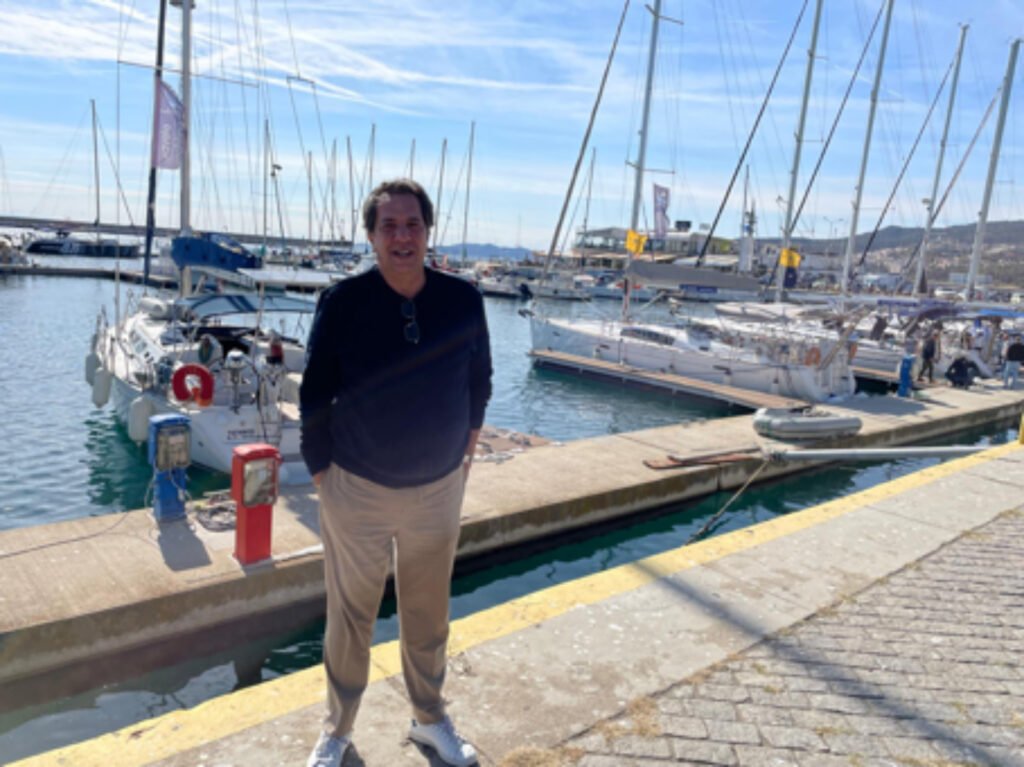
Alexandroupoli reminded me of Bodrum with its nature, sea, and air and it receives an extraordinarily heavy flow of tourists, with Turks leading the way. The roads are incredibly well-maintained and well-lit. About 70% of the 150-kilometer Alexandroupoli–Kavala road is illuminated. Toll roads are also considerably cheaper than in Turkey.
I stayed at the Ramada Plaza By Wyndham (Thraki) hotel. Situated right on the seafront in an excellent location, you can encounter many Turks even among the hotel staff. We are people of the same climate the same warmth brings us together; while borders on paper divide us, our nature unites us.
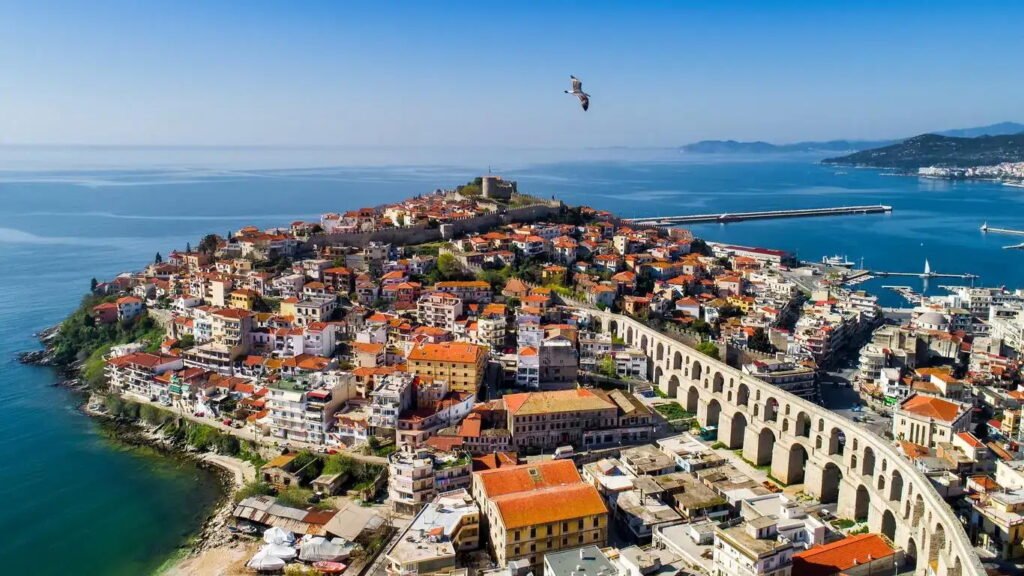
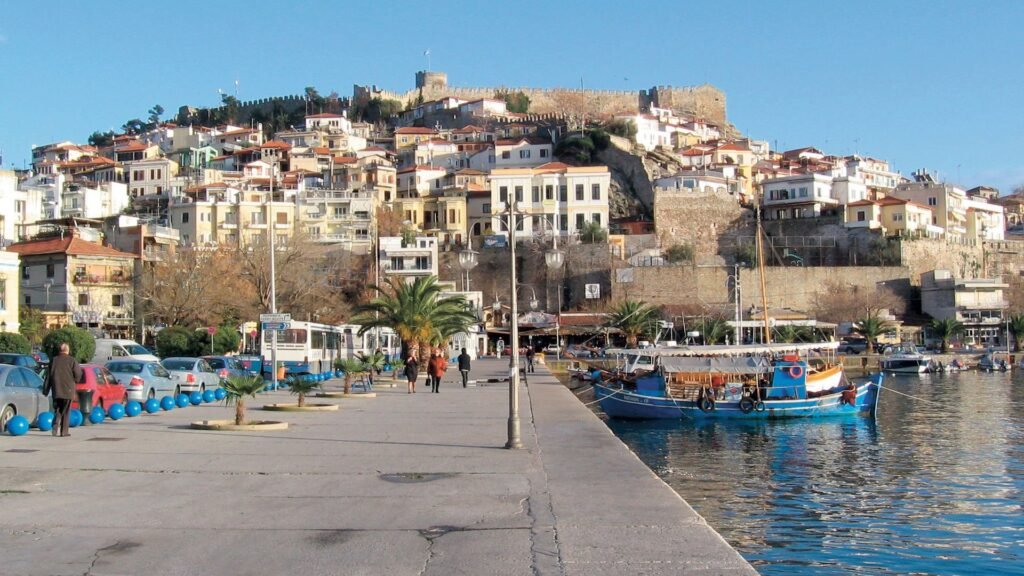
The open buffet breakfast at the hotel was lovely, and both the Turkish and Greek staff were cheerful. However, the rooms were quite dated. Despite this, the hotel was 90% occupied by Turkish guests. In my opinion, Turkish hotels are number one in Europe, and indeed in the world.
The outdoor restaurants and café-style venues, on the other hand, were extremely poor in terms of service. They practically throw the plate in front of you and disappear there is no such thing as proper service. What’s more, they’ve imitated our food; what they bring out as “Greek salad” is exactly the salad we eat every day. Compared to other countries, Turkey is number one in this regard no one can match us in food and beverage service.
Yet over there, everything is 3 to 4 times cheaper than in Turkey. Turkey simply cannot compete with Greece at these prices. That is precisely why even Turks now choose Greece for their holidays.
We went to a very luxurious, tastefully decorated waterfront restaurant called Agios Georgios Makris. As they only accepted reservations, we had to wait until a table opened up. While waiting, I wanted to order something to drink, but they refused despite my insistence. I then asked to speak with the manager. I told the Greek manager we had come from Turkey, explained what had happened, and managed to persuade him. But experiencing this at such a tourist establishment was surprising. I grew suspicious and spoke with a Turkish waiter to ask why. He was hesitant at first, but eventually explained: some Turks leave without paying the bill, so we don’t open service while people are waiting.
Very sad. It’s nothing short of disgraceful. Is it any wonder they won’t let us into the EU?
Afterward, they took us to an entertainment venue where a Greek singer was performing songs in both Greek and Turkish because there was still no table available at the restaurant. The Greek singer, who successfully delivered these two musically very similar traditions, was warm and affectionate. It was a lovely, entertaining evening, though I had expected a higher level of service at such a luxurious restaurant. They didn’t deliver perhaps they simply don’t need to.
They take a siesta in the early afternoon; most places are closed. When we wanted lunch, we were told they were closed. It doesn’t matter who shows up they don’t open for service. As far as I could tell, they’ve had their fill of tourists, since Greece hosts as many tourists as its own population.
The streets and avenues are clean, orderly, and well-kept. I saw almost no cigarette butts on the ground. Traffic rules are observed. Motorcyclists do not squeeze past stationary cars they yield to vehicles. You won’t find anything but bicycles on the cycling lanes; not even pedestrians enter them. Along the cycle paths, maintenance stations equipped with repair tools have been set up for cyclists with broken bikes. I couldn’t help thinking that if these stations were in Turkey, they’d be stripped and looted the same day.
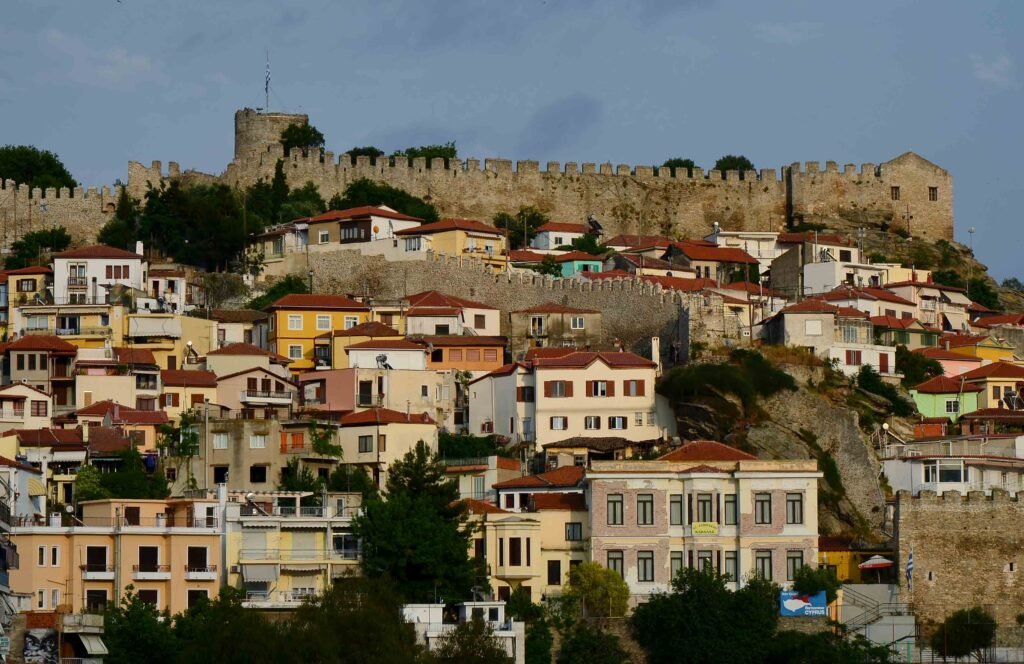
Kavala, being close to the border, is the first choice for Turks. The city goes by the same name in both languages. It was a small fishing village until the 1700s but has since become an important tourism center. From ancient ruins and castles to lively streets and entertainment venues, it closely resembles Bodrum but prices are three times lower than Bodrum. I experienced this firsthand.
You can feel right at home here, because there are Turks absolutely everywhere, wild and exuberant. Turks who moved from Turkey to Greece have learned Greek, and the Greeks speak some broken Turkish. I enjoyed the warmth between them.
The sea and nature are beautiful, indistinguishable from ours, but as an EU member it has access to every kind of resource and infrastructure. We, on the other hand, can’t even protect what we have, let alone appreciate it. Our natural beauties and riches are slipping through our fingers with each passing day.
Greece may be benefiting from the advantages of having a small population. I couldn’t help but wonder: if they had a population of 85 million, would they still be like this? Yes, they would because it is certain they are two centuries ahead of us. They are civilized and educated. In the three days I stayed, I didn’t see a single police officer.
Despite being neighbors, Greeks do not come to Turkey. The tragedy that occurred in Vezneciler on April 9, 1991, is one of the biggest reasons. On that day, a double-decker bus carrying a group of Greek tourists caught fire just as it was about to depart, and a week later it emerged that the perpetrator was a man named Kadir Çal, who had a mental illness. This incident naturally caused a crisis between Turkey and Greece.
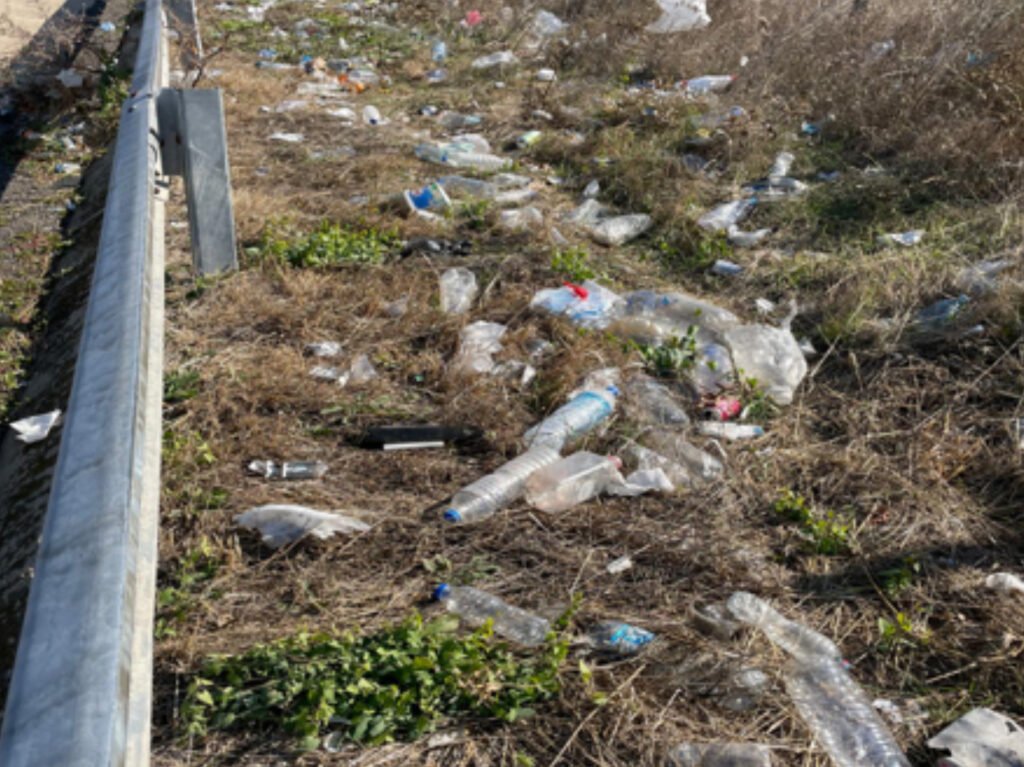
As we came to the end of our trip and set out on the return journey, we were met with a 500-meter queue of vehicles. It took us a full two hours just to reach the Greek customs checkpoint. Along the way, our eyes inevitably fell on plastic water bottles, cigarette butts, and garbage strewn along both sides of the road. Seeing warning signs written in Turkish was embarrassing. Why do we do this? Why do we produce so much filth? Is it really so hard to be a decent human being?
While waiting in the queue, two drivers who attempted to cut ahead were both Turkish. Others reacted; a fight broke out. My dear Turkey what has become of us.
MURAT TÜZEL
CHP İstanbul İl Başkanlığı
Turizmden Sorumlu Komisyon Başkanı
Şişli Kent Konseyi Turizm Komisyon Başkanı
Dünya Seyahat Gazetecileri ve
Yazarları Federasyonu Üyesi
No responses yet