

gambling games unblocked — explained simply 2026
gambling games unblocked Security and trust are paramount in the digital gambling space. Innovations in unblocked casino fun are helping to build safer environments for players.
See also:
- What Makes unblocked craps games So Popular?
- The truth about unblocked casino fun: what you need to know
- What does unblocked blackjack games mean for players?
- Decoding Bonus Terms and Wagering Requirements at gambling games unblocked
- Key Trust Indicators for gambling games unblocked
- What does unblocked craps games mean for players?
- Is unblocked casino fun worth your time and money?
- The Importance of Bankroll Management
What Makes unblocked craps games So Popular?
gambling games unblocked has get a central pillar of the modern gambling landscape, draftsmanship millions of players worldwide with its convenience and variety. As the industry evolves in 2026, understanding the nuances of unblocked blackjack games can assist players make water informed choices, from product selection to bankroll management. This article explores how these platforms conduct, their florida key features, and what players should consider before diving in. The rise of gambling games unblocked is fueled by technological advancements that allow for seamless mobile log in, instant deposits via cryptocurrencies and e-wallets, and streamed dealer games that replicate the brick-and-mortar casino atmosphere. For instance, many platforms now offer virtual reality slots and AI-driven personalized recommendations, enhancing user engagement. However, with this ontogenesis comes the need for robust security measures, such as SSL encryption and two-factor authentication, to protect sensitive data. Players should also be aware of the regulatory landscape, as licensing bodies like the UK Gambling Commission and Malta Gaming Authority impose strict standards on fairness and responsible gambling. When selecting a gambling games unblocked site, key factors include game diversity—ranging from classic table games the like blackjack and roulette to niche options like bingo and scratch cards—as well as bonus structures, wagering requirements, and withdrawal speeds. Bankroll management is vital; experts advise scope deposit limits and using tools like red limits or time-outs to maintain control. Additionally, understanding the put up border and return-to-player (RTP) percentages can help players choose games with improve odds. For example, video poker often has a lower house edge than slots, while baccarat offers favorable odds for certain bets. The social aspect also matters: many platforms now feature confab functions, tournaments, and leaderboards to foster community. In 2026, trends include the desegregation of blockchain for provably fair gaming, the rise of skill-based games like poker and sports betting, and the use of hokey intelligence to detect problem gambling behaviors. At long last, gambling games unblocked offers unparalleled convenience but requires due diligence. By focusing on licensed operators, reading terms carefully, and practicing self-discipline, players can enjoy a safe and entertaining experience. Whether you are a casual punter or a high roll, the key is to treat gambling as a form of entertainment, not a way to make money. With the right wing approach, gambling games unblocked can supply hours of enjoyment while minimizing risks. Remember to always gamble responsibly and seek assist if needed.
The truth about unblocked casino fun: what you need to know
Understanding Bingo Halls in the UK
Bingo halls have got long been a staple fiber of Brits social culture, offering a unique blend of entertainment and community feel. In the UK, these establishments are regulated by the UK Gambling Commission (UKGC), ensuring a safe and fair environment for players. The traditional title of bingo, often associated with small stakes and friendly competition, has evolved to include electronic bingo terminals and digital interfaces, yet the core experience remains centred around the communal aspect. Players typically purchase printed tickets or use electronic dabbers to mark numbers as they are called out, with the aim of completing a specific pattern to win a prize. Bodoni font bingo halls often feature bars, restaurants, and streamed entertainment, making them a destination for social outings. The UKGC mandates strict age verification (18+), responsible gambling measures, and transparentness in prize distribution, which are all critical to maintaining corporate trust. For those new to the scene, it is advisable to start with a small budget, understand the rules of each game variant (such as 90-chunk or 75-glob bingo), and avoid chasing losses. Bingo halls in the UK also support local charities through dedicated charity bingo nights, contributing to community of interests welfare. The social aspect is a cay draw, with players often forming friendships and attending regularly. Nevertheless, as with any make of gambling, it is important to set limits and recognise when play ceases to be fun. The UKGC’s resources, such as GamCare and GamStop, provide back for those who may develop problem gambling behaviours. Overall, bingo halls offer a regulated, low-stakes gambling option that prioritises social interaction and entertainment.
The Rise of Online Bingo Sites
Web-based bingo has experienced significant ontogenesis in the UK, particularly since the early 2000s, with digital platforms replicating the social experience of physical halls while adding convenience and variety. UKGC-licensed online bingo sites are now a major segment of the non-branded gambling market place, offering a wide set out of games including 90-lucille ball, 80-lucille ball, 75-lucille ball, and speed bingo. These platforms often incorporate chat rooms, themed rooms, and progressive jackpots to heighten customer engagement. Unlike land-based bingo, online versions allow players to purchase tickets in advance, participate in multiple games simultaneously, and access promotions such as deposit bonuses, free tickets, and loyalty rewards. The sound framework in the UK requires these sites to implement robust age verification, self-exclusion tools, and deposit limits to promote responsible gambling. Players can enjoy bingo on desktop and mobile devices, with apps providing seamless gameplay and notifications for upcoming games. The social component remains integral, with chat moderators (often called ‘callers’) interacting with players and facilitating community of interests events. However, players should be cautious of unlicensed operators that may not adhere to UKGC standards. Always review for the UKGC logo and verify the licence figure on the regulator’s website. Web-based bingo also offers lower minimum stakes compared to some other forms of gambling, making it accessible to a broader audience. For those interested in trying virtual bingo, it is recommended to browse the terms carefully, especially regarding wagering requirements on bonuses. The variety of games and the ability to play from home have made online bingo a popular choice, but it is essential to maintain a balanced approach and avoid excessive play.
Bingo Strategies and Tips for UK Players
While bingo is largely a game of chance, players can borrow certain strategies to enhance their experience and potentially improve their odds. One effective approaching is to manage the number of tickets purchased per game; buying more tickets increases the chance of winning but also raises the cost. A common tip is to play during off-peak times when fewer players are alive, which can reduce competition for prizes. In online bingo, choosing games with take down ticket prices or smaller jackpots often results in better odds, as these games tend to have fewer participants. Another strategy is to focus on pattern-based games, such as those requiring a specific shape (e.g., letter X or T), as these can end quickly and supply higher chances of a win. Regular players often track their outlay and set a strict budget, avoiding the temptation to chase losses.
What does unblocked blackjack games mean for players?
The Role of Mathematics in Gambling
At its core, gambling is underpinned by mathematical principles that dictate the odds of winning and the house edge. Discernment these concepts is crucial for anyone looking to approach gambling with a clear perspective. Probability theory, for instance, governs the likelihood of different outcomes in games like roulette, blackjack, or slot machines. In the UK, where the Gambling Commission regulates all licensed operators, games are designed to ensure a predictable return to player (RTP) percentage over time. This means that while short-term wins are possible, the long-term expectation is that the house retains a small percentage of all stakes. Similarly, in sports betting, odds reflect the implied probability of an event occurring, with the bookmaker’s margin built into the prices. For example, a coin flip in a fair game has a 50% chance, but in betting markets, the odds might connote a 52% chance to account for the border. Recognising this mathematical framework helps players make informed decisions, avoid chasing losses, and understand that no strategy can overcome the inbuilt advantage over extended play. Educational resources from organisations like GamCare and BeGambleAware emphasise this power point, encouraging a center on entertainment rather than benefit.
The Social and Cultural Context of Gambling in the UK has a long history, from horse racing to the National Lottery, and is deeply embedded in British culture. However, its social implications are complex and often debated. On one hand, gambling can be a form of social entertainment, with friends gathering for a poker night or colleagues placing friendly bets on football matches. On the other hand, problem gambling can lead to financial hardship, relationship breakdown, and mental health issues. The UK government has taken steps to address these concerns, such as introducing a mandatory levy on operators to fund research, education, and treatment. The Gambling Act 2005 and its subsequent reviews aim to balance personal freedom with harm reduction. For instance, the introduction of stake limits for fixed-odds betting terminals (FOBTs) in 2019 was a significant regulatory change. Understanding this social context is important for players to recognise when gambling shifts from a harmless pastime to a harmful behaviour. Community initiatives, like local support groups and online forums, provide avenues for discussion and help, while the NHS now offers specialist clinics for gambling addiction. The cultural acceptance of gambling in the UK does not diminish the need for responsible practices, and players are encouraged to set time and money limits, use self-exclusion tools like GAMSTOP, and never gamble with money they cannot afford to lose.
The Future of Gambling: Technology and Regulation
The gambling landscape in the UK is rapidly evolving, driven by technological advancements and shifting regulatory priorities. Online casinos and betting apps have made gambling thomas more accessible than ever, but they also raise concerns about punter shelter and data security. Innovations the likes of virtual reality (VR) casinos and live dealer games aim to replicate the land-based experience, while blockchain technology offers provably fair gaming and faster transactions. Nonetheless, the UK Gambling Commission has been proactive in updating its rules to keep gait, such as requiring age and identity verification before deposits, banning credit card gambling, and restricting VIP schemes that encourage high outlay.
Decoding Bonus Terms and Wagering Requirements at gambling games unblocked
- $500 deposit bonus
- 20 no-deposit free spins
- 30x turnover requirement
- 45x wagering requirement
Key Trust Indicators for gambling games unblocked
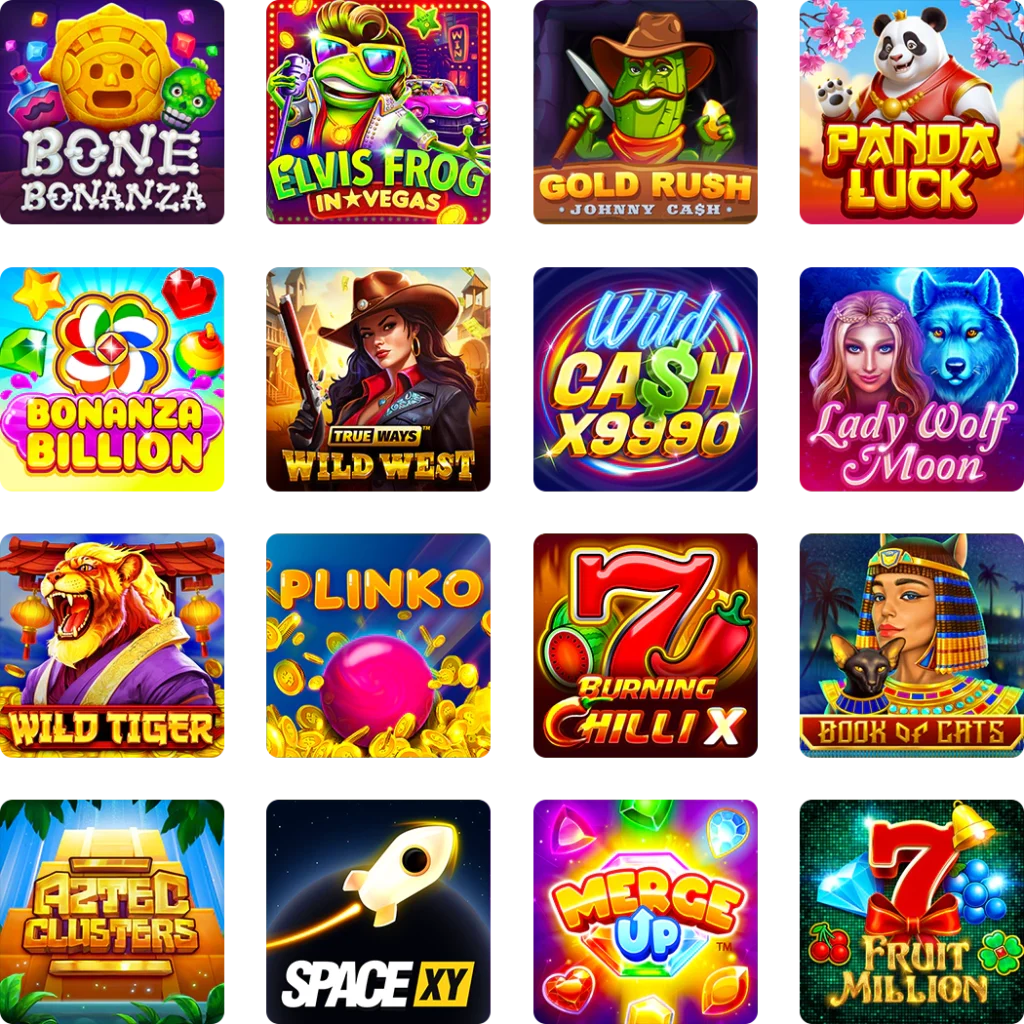
planet 7 oz casino — what to know 2026 | planet 7 oz casino
What does unblocked craps games mean for players?
The Role of Mathematics in Gambling
At its core, gambling is underpinned by mathematical principles that dictate the odds of winning and the domiciliate edge. Discernment these concepts is crucial for anyone looking to approach shot gambling with a clear perspective. Probability theory, for instance, governs the likelihood of different outcomes in games like roulette, blackjack, or slot machines. In the UK, where the Gambling Commission regulates all licensed operators, games are designed to ensure a predictable issue to player (RTP) percent over time. This means that while short-term wins are possible, the long-term expectation is that the house retains a small per centum of all stakes. Similarly, in sports betting, odds reflect the implied probability of an event occurring, with the bookmaker’s margin built into the prices. For example, a coin flip in a fair game has a 50% chance, but in betting markets, the odds might imply a 52% chance to business relationship for the margin. Recognising this mathematical framework helps players make informed decisions, dodge chasing losses, and understand that no strategy can overcome the inbuilt advantage over extended play. Educational resources from organisations like GamCare and BeGambleAware emphasise this power point, encouraging a direction on entertainment rather than gain.
The Social and Cultural Context of Gambling in the UK has a long history, from horse racing to the National Lottery, and is deeply embedded in British culture. However, its social implications are complex and often debated. On one hand, gambling can be a form of social entertainment, with friends gathering for a poker night or colleagues placing friendly bets on football matches. On the other hand, problem gambling can lead to financial hardship, relationship breakdown, and mental health issues. The UK government has taken steps to address these concerns, such as introducing a mandatory levy on operators to fund research, education, and treatment. The Gambling Act 2005 and its subsequent reviews aim to balance personal freedom with harm reduction. For instance, the introduction of stake limits for fixed-odds betting terminals (FOBTs) in 2019 was a significant regulatory change. Understanding this social context is important for players to recognise when gambling shifts from a harmless pastime to a harmful behaviour. Community initiatives, like local support groups and online forums, provide avenues for discussion and help, while the NHS now offers specialist clinics for gambling addiction. The cultural acceptance of gambling in the UK does not diminish the need for responsible practices, and players are encouraged to set time and money limits, use self-exclusion tools like GAMSTOP, and never gamble with money they cannot afford to lose.
The Future of Gambling: Technology and Regulation
The gambling landscape in the UK is rapidly evolving, driven by technological advancements and shifting regulatory priorities. Virtual casinos and betting apps get made gambling more accessible than ever, but they also raise concerns nearly player protection and data protection. Innovations like virtual reality (VR) casinos and live game games aim to replicate the land-based experience, while blockchain technology offers provably fair gaming and faster transactions. However, the UK Gambling Commission has been proactive in updating its rules to hold on pace, such as requiring age and identity verification before deposits, banning credit card gambling, and restricting VIP schemes that encourage excellent spending.
free casino slot games for fun 2026 — casino free slot fun
Our compare of gambling games unblocked highlights the best sign-up deals.
slotzilla free slots — key facts 2026 | slotzilla free slots
Is unblocked casino fun worth your time and money?
The Evolving Landscape of UK Gambling Beyond Mainstream Casinos
As the UK gambling market continues to maturate, the diversity of options useable to players has expanded far beyond the traditional casino floor. This exploration of non-branded gambling alternatives has revealed a rich tapestry of opportunities that cater to varied preferences, risk appetites, and entertainment styles. From the strategic depth of sports betting and the intellectual challenge of poker to the quick-fire excitation of bingo and the emerging mankind of skill-based gaming, each vertical offers a unique experience that stands on its have merits. For UK players in 2026, discernment this landscape is not just around finding the next thrill—it’s about making informed choices that align with personal values, budget, and expectations. The regulatory environment under the UK Gambling Commission remains one of the strictest globally, ensuring that all licensed operators adhere to high standards of fairness, security, and responsible gambling. This means that whether you’re placing a wager on a football match, participating in an online poker event, or dabbing off numbers in a virtual bingo hall, you are protected by robust consumer safeguards. However, the onus also falls on players to engage with these platforms responsibly, scene limits on time and money spent, and recognising when gambling ceases to be entertainment and becomes a problem. The UKGC’s emphasis on tools like deposit limits, reality checks, and self-exclusion schemes has localize a benchmark for player protection, and any reputable non-branded gambling land site will prominently feature these options. Moreover, the rise of data-driven personalisation agency that players can now rector their gambling experiences more on the button, with algorithms suggesting games, bets, or tournaments based on past behaviour. While this enhances engagement, it also raises questions about the ethical use of data and the potential for exploitation of vulnerable individuals. Consequently, the most successful non-branded platforms in the UK are those that balance technological innovation with ethical responsibility, ensuring that player welfare is not sacrificed for profit. For newcomers, the sheer variety can be overwhelming, but a methodical approach—starting with low-stakes games, reading independent reviews, and utilising free-play modes—can help build confidence without significant financial risk. The florida key takeaway is that gambling in the UK in 2026 is no longer a one-size-fits-all activity; it is a multifaceted industry that rewards research and cautious experimentation. Those who coming it with curiosity but caution are more likely to derive echt enjoyment while minimising harm. At last, the conclusion of any responsible gambling pedagogy should reinforce that the domiciliate always has an sharpness in the long run, and no strategy can overcome that mathematical reality. Therefore, the primary quill goal should always be entertainment, not profit. By keeping this perspective, players can navigate the non-branded gambling landscape with clarity and control, making the most of what it has to offer without falling into the traps of excessive or reckless play.
The Role of Technology in Shaping Non-Branded Gambling Experiences
Technology has been the great enabler of the diversification seen in UK gambling, transforming what were once niche activities into mainstream entertainment options. The integration of artificial intelligence, blockchain, and virtual realness has created immersive and secure environments that rival the quality of branded casino offerings. For example, AI-driven algorithms now power personalised recommendations on non-branded sports betting platforms, analysing a user’s betting history to suggest matches or markets that align with their interests. This level of customisation was unthinkable a decade ago and has significantly enhanced user participation. Blockchain technology, while still in its infancy in the UK regulated market place, offers the promise of provably fair gaming, where players can independently verify the randomness of outcomes. This transparency is particularly appealing to those who are sceptical of traditional random figure generators. Additionally, the adoption of faster payment systems, such as clear banking and instant e-wallets, has streamlined deposits and withdrawals, reducing friction in the user journey. For non-branded gambling sites, which often deficiency the marketing muscle of john major operators, technology levels the line of business, allowing them to compete on user experience rather than brand identification. But, this technological arms race also presents challenges. The same AI that personalises experiences can be used to identify and target problem gamblers, rearing ethical concerns about data seclusion and manipulation. The UKGC has been proactive in issuing guidance on the use of AI in gambling, mandating that operators implement harm-minimisation measures that leverage data for player trade protection sort of than exploitation. Furthermore, the rise of mobile gambling has made these activities more accessible than ever, blurring the lines between perfunctory and compulsive play. For players, this means that the convenience of gambling on a smartphone must be hardened with discipline, as the ease of enter can lead to impulsive decisions. Sounding ahead, the integration of virtual reality into non-branded gambling could create fully immersive environments where players interact with each other and the game in real-time, simulating the social aspects of a physical casino without leaving home. While this technology is still developing, early adopters in the UK are experimenting with VR poker rooms and bingo halls, offering a glimpse into the future of online gambling. The key for players is to stay informed most these technological advancements while remaining critical of their potentiality drawbacks. Not every innovation is beneficial, and some may introduce recent risks, such as increased immersion leading to yearner roger huntington sessions and higher spending. By apprehension the tools at their disposal—such as time limits, loss limits, and reality checks—players can harness technology to enhance their experience without sacrificing control. In summary, technology is a double-edged steel in the non-branded gambling sector, offering unprecedented convenience and engagement while demanding greater self-awareness and regulatory oversight.
Responsible Gambling Practices in a Diverse Market
The expansion of non-branded gambling options in the UK has necessitated a parallel evolution in responsible gambling practices. With more ways to gamble than ever before, the risk of harm has also diversified, requiring tailored approaches to prevention and intervention. A cornerstone of responsible gambling is education—understanding the odds, the house edge, and the inherent unpredictability of outcomes. For non-branded platforms, which often attract players seeking alternatives to mainstream casinos, this education must be woven into the user experience. Many leading sites now feature integrated tools that permit players to set deposit limits, session time limits, and loss limits before they start playing. These pre-commitment strategies have got been shown to reduce the likelihood of excessive gambling by making players consciously aware of their boundaries.
slotzilla casino — key facts 2026 | slotzilla casino
boho casino no deposit bonus — key facts 2026 | boho casino
Our guide to gambling games unblocked covers game selection and payout speed.
The Importance of Bankroll Management
Gambling is strictly for adults aged 18 and over. All UK-licensed casinos are regulated by the Gambling Commission (UKGC) and must offer player protection tools. For self-exclusion, you can use GAMSTOP, the national scheme. If you want assist, contact GamCare or BeGambleAware on the National Gambling Helpline at 0808 8020 133. Always go under deposit and time limits before you play, and treat gambling as entertainment, not a way to piddle money. Never tail losses.
Comments are closed